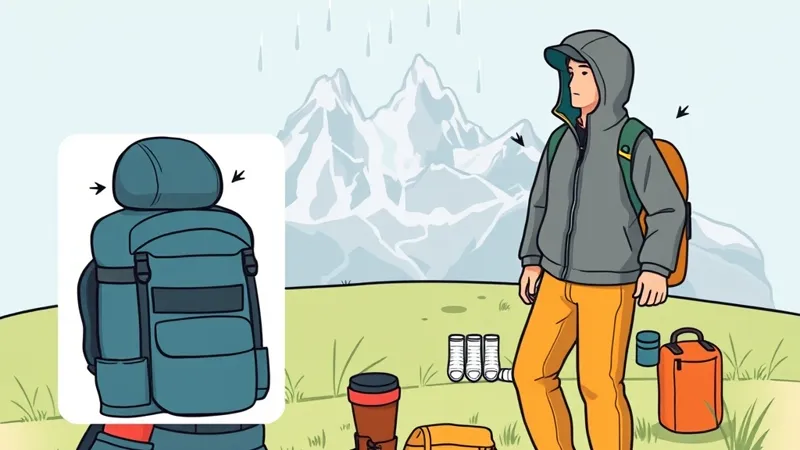
What should you pack for wind and rain in Torres del Paine?
Pack adjustable base and insulating layers, a waterproof wind-blocking outer layer, comfortable worn-in hiking footwear, and dry bags or a pack liner. Keep rain protection accessible rather than buried beneath everything else. These are personal packing essentials; sleeping equipment and other overnight items depend on the accommodation and services in your selected booking.
Las Torres clothing help recommends comfortable hiking footwear, waterproof clothing and dry bags or a pack liner to protect belongings. Start with those functions before considering extra garments or specialist accessories.
Torres del Paine Guide is an independent editorial comparison site, not a tour operator. This is a practical packing guide, not a seasonal forecast or a promise of comfort in every condition. The useful distinction is between what you wear, what you need within reach and what must stay protected inside your pack. For an overnight trip, add a separate check against the actual booking inclusions.
How should you layer clothing for Patagonian wind and rain?
Build your clothing around a base layer, an insulating layer and a waterproof wind-blocking outer layer. The Las Torres layering guide describes this framework. The garments below are illustrative examples of each layer.
- Base — Packing function: Clothing next to your skin, forming the starting point for adjustments; Illustrative garment choices: A comfortable hiking top; base-layer bottoms if appropriate to your planned clothing system
- Insulating — Packing function: Warmth that you can add or remove independently; Illustrative garment choices: A fleece or an insulated jacket
- Waterproof and wind-blocking — Packing function: Outer protection against rain and wind; Illustrative garment choices: A waterproof shell jacket and waterproof overtrousers
Think of these as pieces you can combine, rather than a complete outfit you must wear throughout the outing. Adjust them as activity and conditions change. An insulating garment and a rain shell have different jobs; check whether the clothes you already own cover both functions.
Try the combination before packing. Check that the outer layer fits over your insulation, that you can move comfortably and that closures are easy to handle. Put the shell where you can retrieve it without unpacking your dry clothing. No garment choice guarantees that you or your belongings will remain dry.
What footwear should you pack for Torres del Paine?
Bring comfortable hiking footwear that you have already worn before travel. Las Torres clothing help supports the comfort recommendation, while its layering guide advises wearing footwear in beforehand.
Try your familiar footwear with the socks you intend to bring, rather than assessing the fit with a different pair. Check the condition of the soles, laces and closures before departure, and pack spare socks where they will stay separate from wet items.
Boots versus hiking shoes is a decision to assess against your itinerary and the selected operator's current guidance, not a universal rule for every visitor. Ask about any stated footwear requirements before committing to a purchase. A new label or technical description is not a substitute for checking how the footwear fits you.
How can you protect your backpack contents from rain?
Use dry bags or a pack liner to protect belongings, and separate wet garments from the items you want to keep dry. This follows the dry-storage recommendation in Las Torres clothing help.
A practical arrangement is to group spare clothing inside protected storage, with sleeping items alongside it if your booking requires you to carry them. Give documents and electronics their own suitable protective storage rather than leaving them loose among clothes.
Reserve a separate bag or compartment for damp garments. When you remove a wet shell, avoid pushing it into the same protected bundle as your spare socks or overnight clothing. Keep it accessible for putting back on.
Choose a liner, separate dry bags or a combination according to how you prefer to organize your belongings. Practise opening and closing the arrangement before departure. Treat this as moisture management, not a waterproofing guarantee: the arrangement still needs to accommodate wet items and repeated access during the outing.
How does packing differ between a day trip and an overnight W trek booking?
Personal clothing and dry storage belong on both lists; overnight equipment must be matched to the selected offer. A package name alone does not establish whether sleeping equipment, towels or meals are supplied.
- Personal layers and hiking footwear — Day trip: Bring: your own suitable clothing and familiar footwear; Overnight W trek booking: Bring: the same personal essentials, with changes appropriate to your plan
- Dry storage — Day trip: Bring: protection for spare clothing, documents and electronics; Overnight W trek booking: Bring: protection for personal belongings and any sleeping items you carry
- Sleeping equipment — Day trip: Not part of the day-trip packing task; Overnight W trek booking: Check the selected offer: sleeping bag, bedding, mat and tent arrangements where relevant
- Towel and overnight toiletries — Day trip: Bring personal items you expect to use; Overnight W trek booking: Not assumed included: confirm what the accommodation supplies
- Meals and drinking arrangements — Day trip: Check the selected offer: do not infer meals from the trip title; Overnight W trek booking: Check the selected offer: identify included meals and anything you must bring
- Baggage conditions — Day trip: Check the selected offer: what you may bring and what you carry; Overnight W trek booking: Check the selected offer: carrying responsibilities and any stated baggage conditions
For a day trip, avoid adding overnight equipment simply because it appears on a generic trekking checklist. For a multi-day package, do not leave it behind simply because the description says accommodation is included. Check each overnight stay rather than assuming every booked stop has identical provisions.
Before booking, compare Torres del Paine day tours with guided W trek packages. Use the distinction to choose the right trip type, then read the selected operator's current inclusions, exclusions and baggage conditions. Our comparisons help organize that decision; the selected offer determines what is supplied.
What belongs on a concise Torres del Paine packing checklist?
Use this checklist for personal essentials, then add only the overnight items your booking requires. Mark an item as confirmed only when you know whether you are bringing it or it is explicitly supplied.
Wear
- Comfortable base clothing.
- Insulating layer, worn or accessible as appropriate.
- Familiar hiking footwear and your intended hiking socks.
Keep accessible
- Waterproof wind-blocking jacket and rain protection for your legs.
- Personal accessories such as a hat and gloves, chosen for your clothing system.
- Water and food appropriate to the outing and confirmed meal arrangements.
- A bag for carrying rubbish out.
Protect inside the pack
- Spare socks and dry clothing.
- Dry bags or a pack liner.
- Documents, electronics and personal essentials, including any medication you normally carry.
- Separate storage for wet garments.
Confirm for overnight stays
- Sleeping bag or bedding, mat and tent where relevant: booking-dependent.
- Towel and toiletries: check what is supplied.
- Meals and any meal-related equipment: booking-dependent.
The park visitor rules require taking rubbish out, camping only in designated areas and cooking only in specifically enabled areas. Carrying camping or cooking equipment does not authorize its use elsewhere.
What else should you check before packing for Torres del Paine?
Resolve waterproof clothing, footwear and overnight inclusions before closing your bag, and keep equipment choices separate from permission to use it. These answers cover the main distinctions without replacing current operator guidance or official park rules.
Do I need waterproof clothing?
Yes, waterproof clothing belongs on your packing list. Las Torres clothing help recommends it alongside comfortable hiking footwear and protected pack contents. Keep your outer layer accessible, and use it with adjustable base and insulating layers rather than treating it as a replacement for them.
Should I wear new hiking footwear?
Wear your hiking footwear before travelling. The Las Torres layering guide recommends wearing footwear in beforehand. Check it with the socks you plan to use, pack spare socks and assess boots versus shoes against your selected itinerary's current operator guidance.
Do I need a sleeping bag for the W trek?
Your selected booking determines whether you need to bring a sleeping bag. Check the equipment inclusions for each overnight stay. Accommodation being included does not, by itself, tell you whether a sleeping bag or bedding is supplied. Ask the operator to clarify any ambiguous wording before deciding what to leave behind.
Can I cook wherever I stop?
No, cooking is allowed only in specifically enabled areas. That restriction comes from the park visitor rules. Packing a stove does not change where cooking is permitted. Confirm meal arrangements first, and do not interpret an available stopping place as an authorized cooking area.
Sources
The park authority supports the visitor restrictions; Las Torres provides the narrow clothing and packing recommendations used here. Check your selected booking separately for equipment inclusions.
- Park visitor rules: authority source for taking rubbish out, designated camping areas and cooking only in specifically enabled areas.
- Las Torres clothing help: operator guidance recommending comfortable hiking footwear, waterproof clothing and dry bags or a pack liner.
- Las Torres layering guide: operator guidance on base, insulating and waterproof wind-blocking layers, plus wearing footwear in before travel.
Additional logistics or safety details require current official confirmation; equipment inclusions require checking the selected offer.